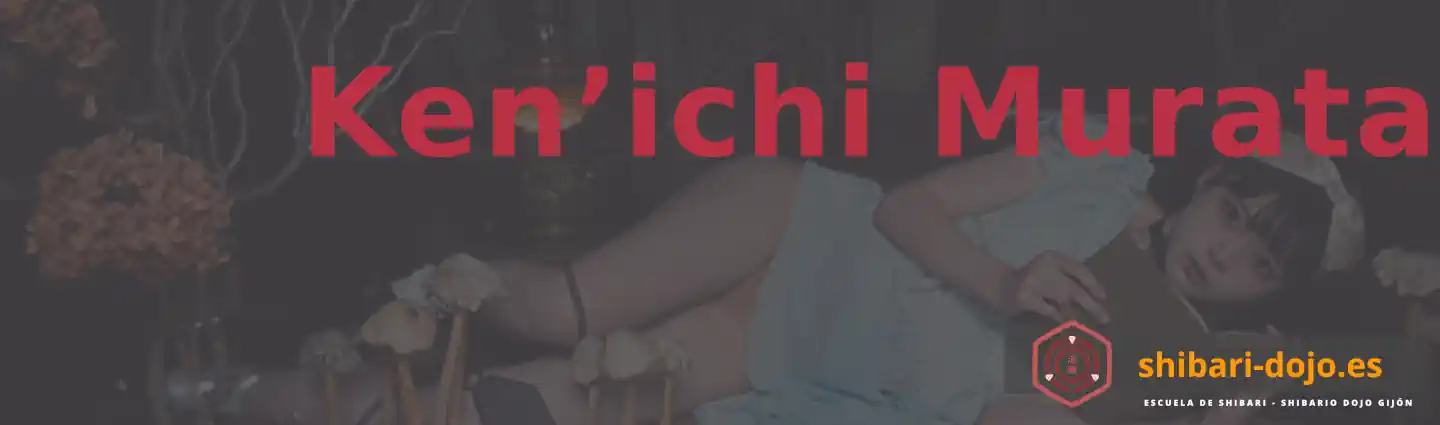
Ken’ichi Murata (村田兼一, Murata Ken’ichi), born in 1957 in Osaka, Japan, stands out as one of the most unique and provocative contemporary photographers in the Japanese erotic art scene.
His work serves as a bridge between the traditional erotic ukiyo-e (shunga) and modern explorations of fetishism, psychoanalysis, and mythology, where the female body becomes a canvas for dark, dreamlike stories.
Over nearly three decades, Murata has crafted a signature style: black-and-white photos that are later hand-colored by artist Yumiko Yamasaki (born 1975, also from Osaka), lending the images a painterly and surreal quality that feels both like the softness of a dream and the harshness of a nightmare.

This hand-tinted print method highlights not only skin texture and fantastic elements—like tentacles, vines, or horns—but also foregrounds his central theme: the dialectic tension between Eros (life and sexual drive) and Thanatos (the death drive).
Este contenido está reservado exclusivamente para suscriptores.
En nuestra página de suscripciones encontrarás varias opciones: la suscripción Kenkyo te da acceso completo durante 1 año a todos los artículos y recursos premium (no incluye los cursos), mientras que las otras suscripciones están pensadas para quienes también quieran acceder a los cursos y formaciones.
Ver todas las opciones de suscripción
This content is reserved exclusively for our subscribers.
We have different subscription plans to suit your needs: Kenkyo gives you 1 year of unlimited access to all premium articles and resources (courses not included), while our other plans are perfect if you also want to join the courses and training programs.
A legacy of fragility and resilience
Murata’s work is a visual diary of the human condition: from furious denial of death in his “violent princesses” to poetic surrender in Ribbon & Bondage.
His collaborative, dreamlike, therapeutic process has not only shaped contemporary Japanese eroticism (inspiring artists like Eiji Yamashita) but also invites profound reflection on desire as a passage to the ineffable.
At 68 (turning 70 in 2027), with death “as familiar as a close relative,” Murata creates not to save himself, but to transcend: his crimson-red and abyssal-black images remind us that the most elusive beauty arises at the brink of nothingness.
In a world flooded with fleeting images, his universe endures like a private garden of light, where black roses bloom and sigh eternally.