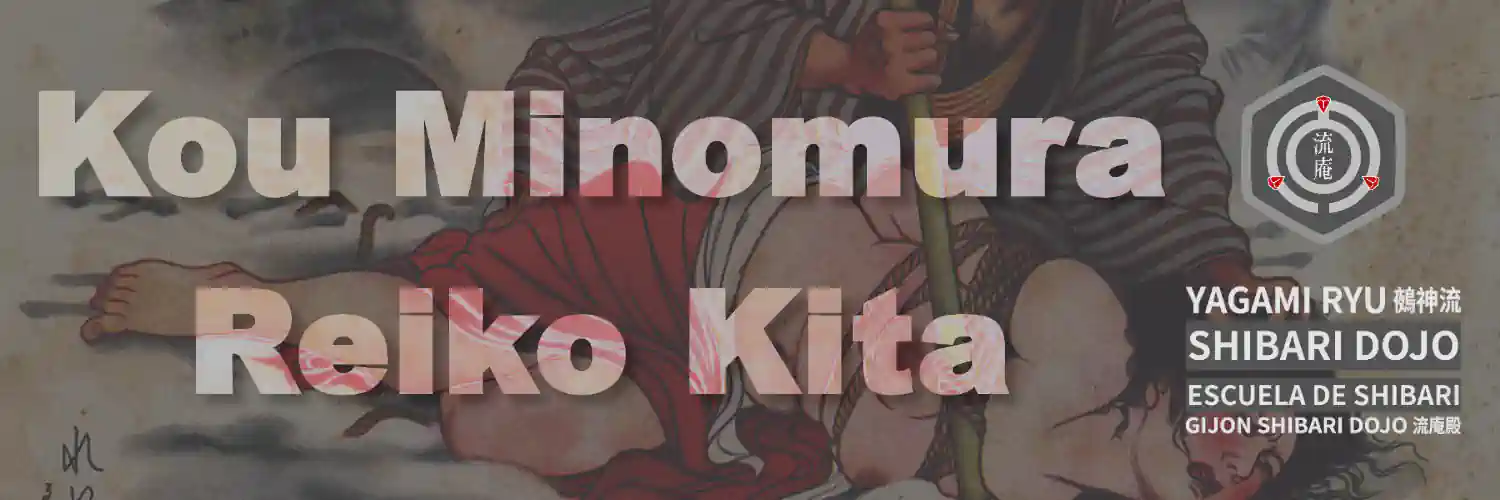
Toshiyuki Suma (1920–1992), better known under the pseudonyms Minomura Kou and Kita Reiko, was a pioneering Japanese editor and visual artist who left an indelible mark on the art of kinbaku.
Suma’s work delved into the psychological depths of shibari, with a particular emphasis on shuuchi (shame, vulnerability).
He insisted on keeping a clear line between fantasy and reality in SM, ensuring his art remained at once grounded and provocative.
During the Shōwa era, he became a key figure in shaping Japan’s visual culture around bondage and SM, producing magazines, books, and photographic works that became foundational in the genre.
Biography
Born in 1920, during the Taishō era, Toshiyuki Suma—later known as Minomura Kou and Kita Reiko—came of age in the dynamic, transformative atmosphere of Shōwa-period Japan.
His early life, especially his relationship with his mother, strongly influenced his erotic imagination, which later found expression through shibari and SM.
In the postwar years, Minomura Kou rose to prominence as a driving force in visual erotica and kinbaku. His career spanned editorial work, illustration, and photography—a creative whirlwind. He wasn’t just part of the movement; he was one of the people shaping it.
Kou built most of his legacy throughout the Shōwa era, eventually stepping back in the 1980s due to health issues. He passed away in 1992, during the Heisei period.
Editorial Work: Magazines and Books
In postwar Japan, particularly in the early Shōwa years, Suma established his reputation as an editor who helped define the SM scene. He was the creative force behind iconic magazines such as Kitan Club and Uramado.
These publications, launched in the 1950s and 60s, were groundbreaking. More than just showcasing bold new directions in erotica, they practically created the visual vocabulary of bondage for both mainstream and underground audiences—giving the counterculture a sharper edge.
By the 1960s, Kou was also producing books of photography and illustration. These were not just collections of images, but explorations of the philosophical and aesthetic dimensions of shibari.
He is often credited with editing the very first photography book devoted entirely to shibari—a milestone that set the stage for generations to come.
Photography and Visual Art
Working under the pseudonym Kita Reiko, Suma developed a photographic and illustrative style that captured kinbaku with a raw emotional charge, privileging psychological intensity over spectacle.
Key elements of his approach included:
Economy of technique: He restricted himself to just five ropes, a hallmark later associated with the Yagami Ryu style. In his hands, less truly became more.
The erotics of vulnerability: His sessions were designed to evoke shuuchi—the interplay of shame and shyness—making the emotional response the centerpiece.
Rejecting excess: At a time when elaborate rope suspensions were becoming popular in the later Shōwa years, Kou deliberately turned away from them. He focused instead on controlled, intimate techniques that emphasized his models’ comfort and security.
His philosophy combined precision with psychology, ensuring that every knot and pose carried meaning while preserving the dignity and well-being of his models.